
2026 World Cup: Geopolitical Tensions Cast Shadow Over 'Beautiful Game'
Published June 10, 2026 · Last updated June 11, 2026
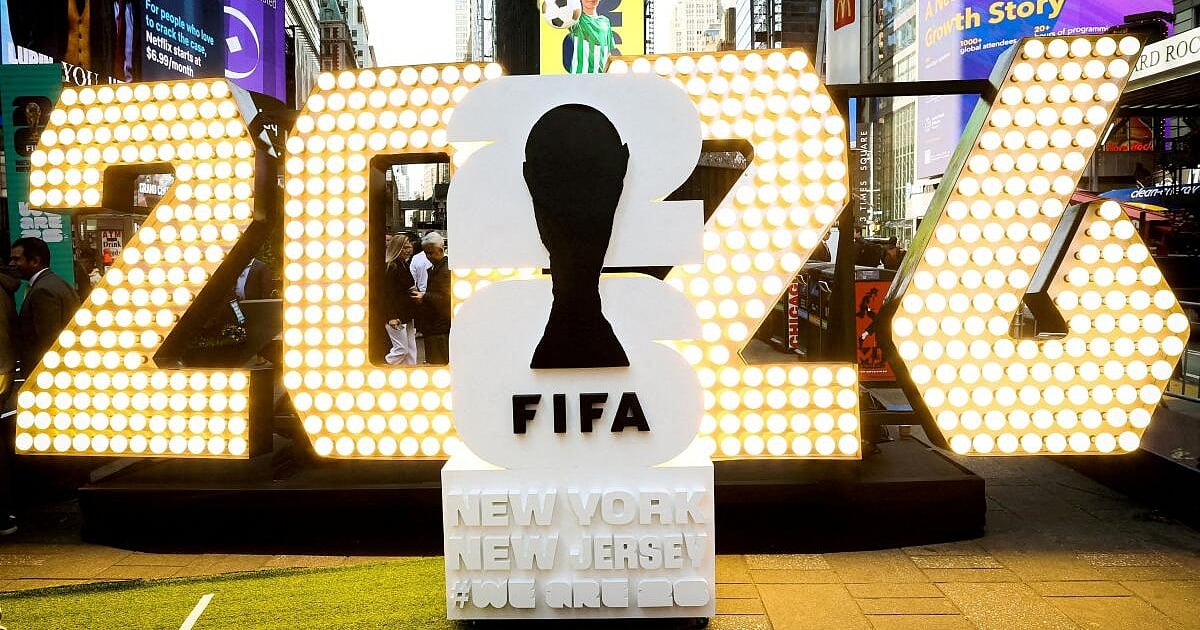
As the 2026 FIFA World Cup approaches, reports suggest that rising geopolitical tensions worldwide are casting a shadow over the tournament, potentially impacting the celebratory atmosphere of the global event.
Published — local time around the world
The highly anticipated 2026 FIFA World Cup, set to be co-hosted across Canada, Mexico, and the United States, is reportedly facing an unusual backdrop: a global landscape marked by increasing geopolitical instability. While the tournament promises to be a spectacle of football, bringing together 48 nations for the first time, concerns are emerging that the current international climate could temper the traditionally festive and unifying spirit of the event.
With the world stage often reflecting broader societal trends, the 'Beautiful Game' may find itself unfolding during a period of heightened political friction. This doesn't necessarily point to direct threats to the event itself, but rather a sombering context that could affect everything from fan travel and security considerations to the overall mood surrounding the quadrennial competition. Organizers will undoubtedly be navigating these complex dynamics as they prepare to welcome millions of fans and athletes.
The 2026 World Cup is poised to be the largest ever, with matches spread across 16 venues from June to July. As preparations continue, the challenge will be to maintain the tournament's core message of unity and sportsmanship, even as external global events continue to unfold.